Tokyo's Art Scene: The Ultimate Guide for Culture Lovers
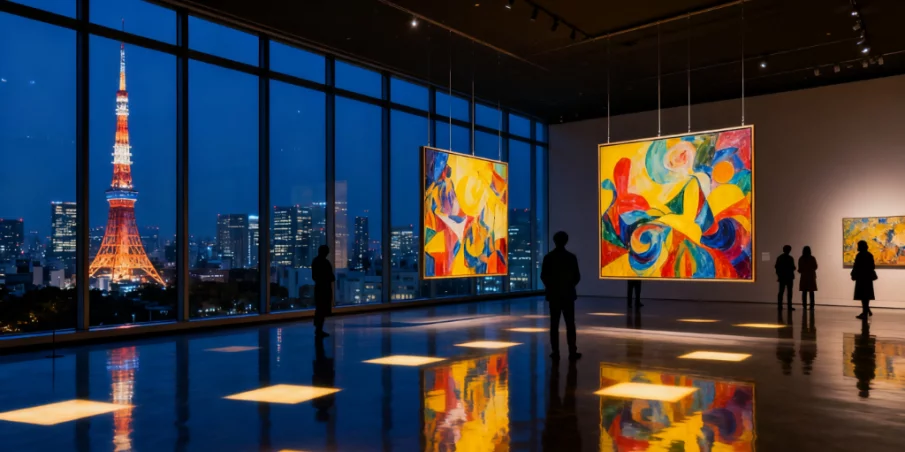
Tokyo's art scene draws you in with its seamless blend of ancient traditions and cutting-edge creativity, making it a paradise for anyone who loves immersing themselves in culture. Picture wandering through bustling neighborhoods where sleek galleries stand next to historic museums, each offering a fresh perspective on what art can be. Whether you're captivated by classic Japanese prints or thrilled by interactive digital installations, this city has something to spark your imagination. As a culture lover, you'll find Tokyo's art world isn't just about viewing pieces on walls; it's about experiencing the energy of a place where history and innovation collide. Have you ever wondered how a single city can house everything from samurai-era artifacts to neon-lit street murals? That's the magic here, and this guide will walk you through the highlights, helping you navigate it all like a local friend sharing their favorite spots. For more updates and insights, check out art news from Japan.
Accessibility: Art for Everyone
What makes Tokyo's art scene so special is its accessibility. You don't need to be an expert to appreciate it; the city's venues welcome everyone with open arms. From the grand institutions that hold national treasures to the intimate galleries showcasing emerging talents, there's a sense of discovery around every corner. And let's not forget the role of art in everyday life here, where even a quick subway ride might lead you to unexpected public displays. In this guide, we'll dive deep into the key districts, must-see museums, contemporary spaces, street art hotspots, and practical tips to make your visit smooth and memorable. So, grab your notebook or phone, and let's get started on uncovering the layers of Tokyo's vibrant art landscape.
Key Art Districts in Tokyo
Roppongi: Modern Pulse and Skyline Views
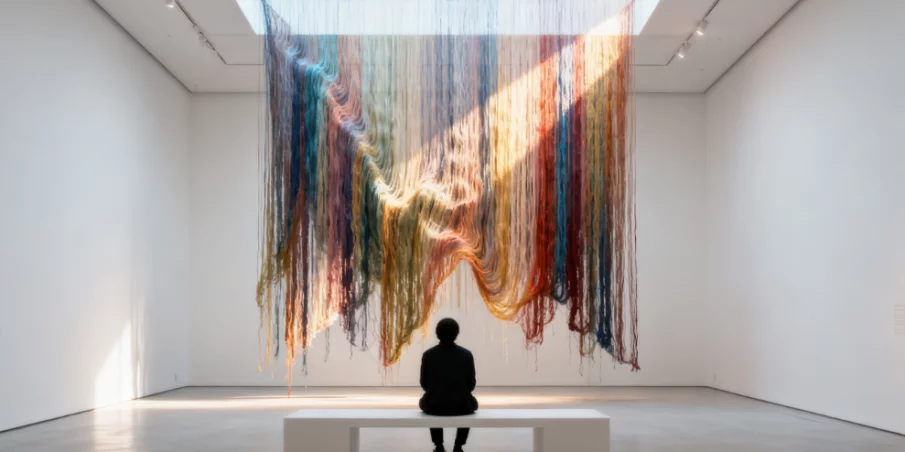
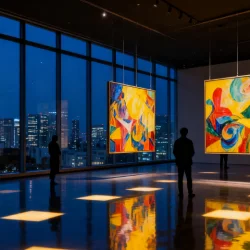
Tokyo's art scene thrives in distinct neighborhoods, each with its own personality and offerings. Roppongi pulses with modern energy, known for its high-rise buildings and international vibe. At the heart sits the Mori Art Museum, perched on the 53rd floor of the Roppongi Hills complex, offering panoramic views alongside thought-provoking exhibitions. Imagine standing amid contemporary installations while gazing out over the city skyline; it's an experience that combines visual art with the urban spectacle below.
Roppongi's Gallery Life
Nearby, the National Art Center adds to the mix with its striking architecture by Kisho Kurokawa, featuring vast spaces for rotating shows that often highlight global artists. Roppongi isn't all about big names. Smaller galleries dot the streets, inviting you to pop in and chat with curators about the latest works. If you're into nightlife, many venues extend hours, blending art with evening events for a more social feel.
Ginza: Refined Elegance and Artistic Heritage
Moving to Ginza, the atmosphere shifts to refined elegance, where luxury shops mingle with prestigious galleries. This district has long been a hub for art collectors, with places like the Artizon Museum showcasing an impressive collection of European masters alongside Japanese modernists. Think of it as a sophisticated stroll where you might encounter Monet's water lilies one moment and Hokusai's waves the next.
Hidden Gems of Ginza
Ginza's galleries often focus on high-end contemporary pieces, making it ideal for those who appreciate polished presentations. Don't miss the smaller, independent spaces tucked into side streets; they offer intimate views of up-and-coming artists. The area's walkability is a plus, allowing you to hop from one exhibit to another without much effort, perhaps stopping for a coffee to reflect on what you've seen.
Ueno: Tradition and Nature in Harmony
Ueno stands out for its deep roots in traditional Japanese art, centered around Ueno Park. The Tokyo National Museum here is a cornerstone, housing over 100,000 artifacts that span centuries of Asian history, including exquisite ceramics, scrolls, and sculptures. It's like stepping into a time capsule where you can trace the evolution of samurai armor or Buddhist statues.
Museums and Relaxation in Ueno
Nearby, the Tokyo Metropolitan Art Museum hosts diverse exhibitions, from local talents to international collaborations. Ueno's charm lies in its blend of nature and culture; after a morning of museum-hopping, you can relax under cherry trees, letting the art sink in. This district appeals to culture lovers seeking a grounded, historical perspective amid Tokyo's fast pace.
Aoyama and Omotesando: Chic Creativity and Tranquility
Aoyama and Omotesando bring a chic, upscale flair to Tokyo's art scene, with tree-lined avenues leading to hidden gems. The Nezu Museum, set in a serene garden, features pre-modern Japanese and Asian art, including tea ceremony wares and paintings that evoke tranquility. Its cafe overlooking the grounds is perfect for pondering the exhibits.
Experimental Spaces in Omotesando
Omotesando's galleries, like those in the Espace Louis Vuitton, push boundaries with experimental works. This area feels like a fashion-forward extension of the art world, where design and creativity intersect. Wandering here, you might stumble upon pop-up shows or architecturally stunning spaces that double as artworks themselves.
Iconic Museums for Every Taste
Museum of Contemporary Art Tokyo: Modern Reflections
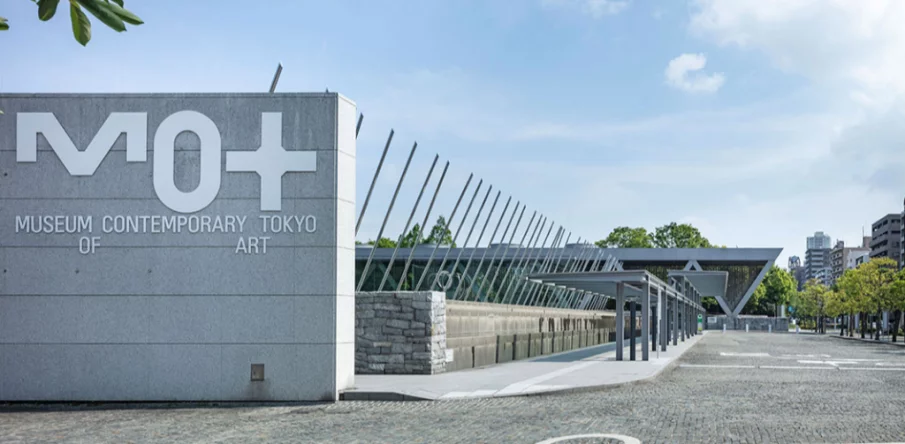
No guide to Tokyo's art scene would be complete without spotlighting its world-class museums, each offering unique insights into creativity. The Museum of Contemporary Art Tokyo, located in Kiba Park, stands as a beacon for modern enthusiasts. With a collection of over 5,500 pieces, it covers post-war Japanese art and international influences, often through thematic displays that encourage reflection. What if you could see how artists responded to societal changes through bold colors and forms? That's the kind of dialogue this museum fosters, with spacious halls that let works breathe.
Sumida Hokusai Museum: Celebrating a Master
The Sumida Hokusai Museum pays homage to the famed ukiyo-e master, displaying his iconic prints like "The Great Wave off Kanagawa" in a modern building designed by Kazuyo Sejima. It's a must for fans of traditional woodblock art, showing how Hokusai's sketches influenced everything from manga to global pop culture. The museum's interactive elements, like digital recreations, make it engaging for all ages, turning history into something tangible and fun.
Tokyo Photographic Art Museum: Capturing the City
For photography buffs, the Tokyo Photographic Art Museum in Ebisu delivers a focused lens on the medium. Its exhibitions range from vintage Japanese snapshots to contemporary global series, often exploring themes like urban life or personal identity. Picture galleries filled with black-and-white street scenes that capture Tokyo's essence; it's a visual feast that sharpens your appreciation for the art of the image.
Contemporary Galleries and Emerging Trends
Innovative Spaces: SCAI The Bathhouse and Taka Ishii Gallery
Tokyo's contemporary galleries form the beating heart of its art scene, where innovation takes center stage. Spaces like SCAI The Bathhouse, housed in a converted public bath, showcase experimental works by Japanese and international artists. The unique setting adds an extra layer of intrigue, as you view sculptures or installations amid echoes of the building's past. Similarly, Taka Ishii Gallery focuses on photography and video art, often featuring provocative pieces that challenge perceptions.
Spotlight on Yayoi Kusama and Pop Culture
Ota Fine Arts represents stars like Yayoi Kusama, with her polka-dot obsessions drawing crowds. These galleries aren't just showrooms; they're hubs where culture lovers can attend openings and meet creators. Mizuma Art Gallery stands out for its bold Japanese contemporary selections, blending pop culture with fine art in ways that feel fresh and relatable.
Art Market Trends
In terms of trends, Japan's art world continues to grow, with reports noting steady expansion in the market and increased interest in women artists in ceramics and other mediums. Chalk art and sand sculptures have gained attention for their ephemeral beauty, highlighting creativity's fleeting nature. Additionally, explorations of post-war themes in exhibitions keep the conversation alive about memory and innovation. These elements show how Tokyo's scene evolves, fusing tradition with modern expressions.
Street Art and Urban Expressions
Shibuya and Harajuku: Murals and Youth Culture
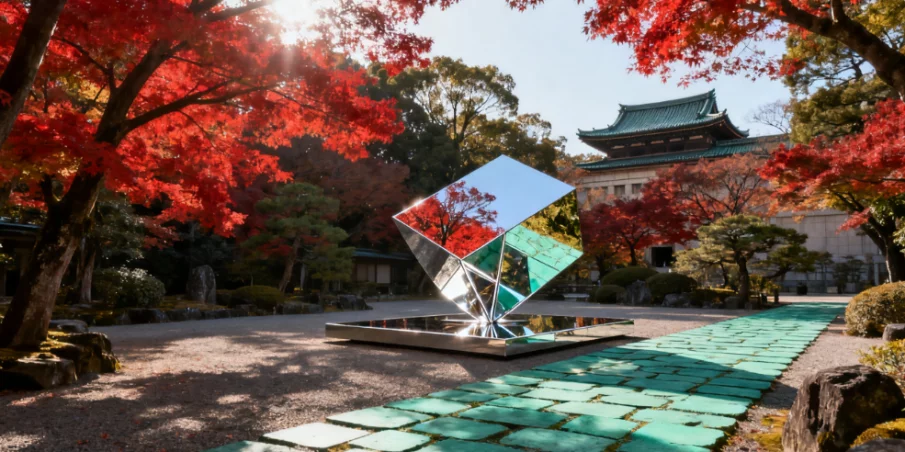
Beyond formal venues, Tokyo's art scene spills onto the streets, where murals and graffiti add color to the cityscape. Shibuya and Harajuku are prime spots for this urban creativity, with walls featuring vibrant tags and large-scale pieces that reflect youth culture. Walking through these areas, you might spot stickers, stencils, or murals that pop against concrete, turning ordinary alleys into open-air galleries. It's like the city itself is an artist, inviting you to look closer at everyday surroundings.
Koenji: Bohemian Spirit and Local Life
Koenji, known as a bohemian enclave, boasts a thriving street art community with everything from political statements to whimsical designs. This neighborhood's relaxed vibe makes it perfect for a self-guided tour, where you can discover hidden gems while soaking in local life. Street art here often blends global influences with Japanese motifs, creating a dynamic dialogue.
Guided Tours: Adding Context to Urban Art
For a guided experience, consider joining a walking tour in these districts to learn about the artists and their stories. It adds context, turning what might seem random into meaningful expressions of identity and rebellion.
Practical Tips for Navigating Tokyo's Art Scene
Getting Around: Transportation and Planning
According to traveling experts to write for us on traveling, to make the most of Tokyo's art scene, a few insider tips go a long way. Public transportation is your best friend; the subway and trains connect districts efficiently, so grab an IC card like Suica for seamless travel. Many museums offer English audio guides or apps, making it easier to dive deeper without language barriers.
Timing Your Visits: Avoiding Crowds
Visit on weekdays to avoid crowds, especially at popular spots like the Mori Art Museum. Booking tickets online in advance saves time, and some venues have combo passes for multiple attractions. Respect gallery etiquette by keeping voices low and asking before photographing; it's all about creating a peaceful space for everyone.
Combining Art and Relaxation
Combine art with food by seeking cafes within museums, like the one at Nezu, for a relaxing break. Wear comfortable shoes, as exploring districts involves plenty of walking. Finally, check venue websites for current hours, as they can vary.
Conclusion: Creativity in Every Corner
Wrapping up your journey through Tokyo's art scene leaves you with a renewed appreciation for how this city weaves creativity into its fabric. From the towering views at Roppongi to the street-level vibrancy in Shibuya, each element invites culture lovers to connect on a personal level.
As you plan your trip to Japan, remember that Tokyo’s art isn’t confined to walls; it’s in the air, the people, and the unexpected moments that make every visit unique. If you are inspired to take your passion further, consider exploring opportunities at an art school in Japan to deepen your connection with Tokyo’s creative spirit.
More to Read:





Previous Posts: